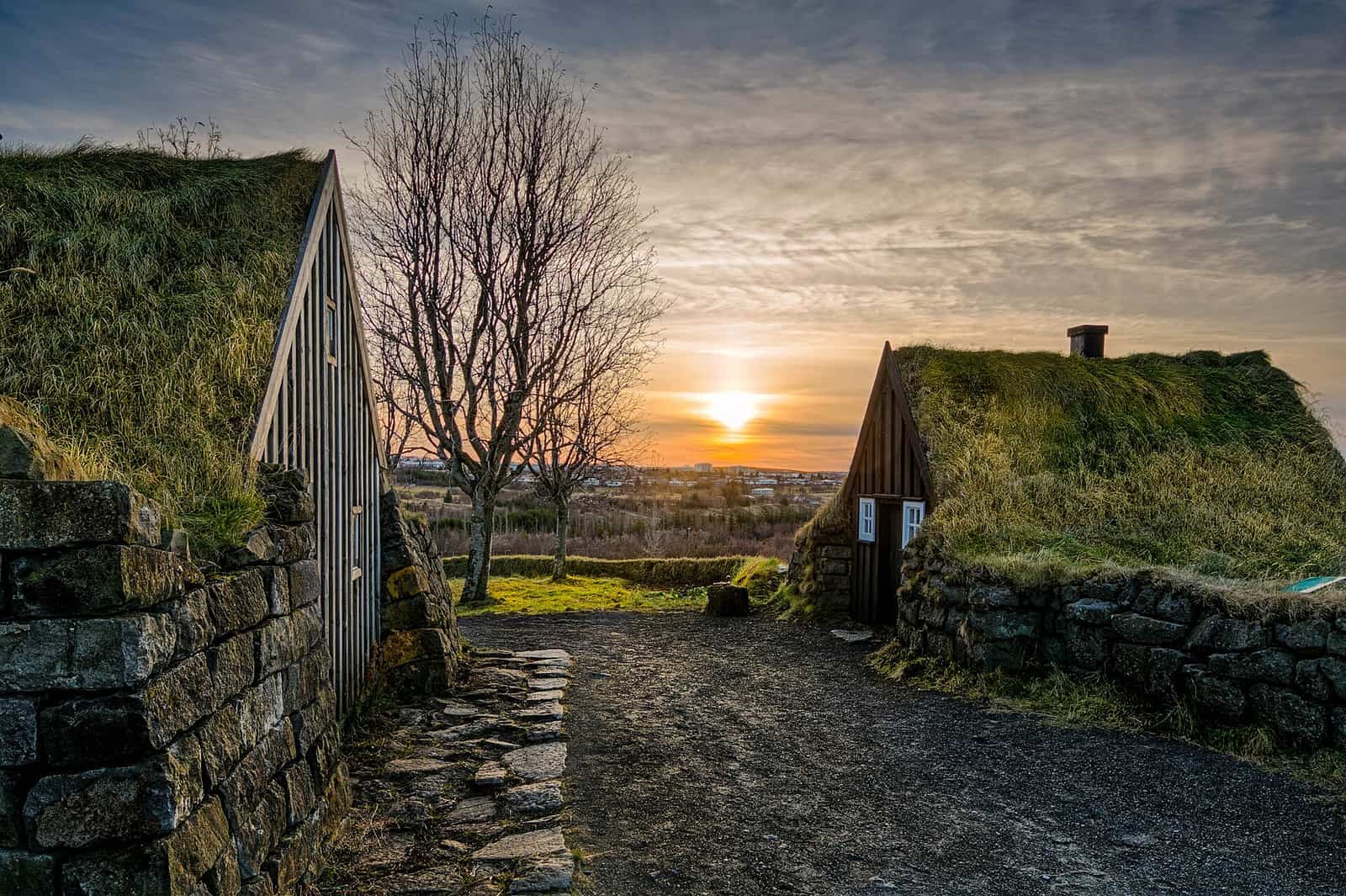
Árbær Open Air Museum and its daily guided tour
Twenty-odd old Reykjavík houses moved to a farm on the city's edge, with an English guided tour daily at 13:00: 2,550 ISK adult, under-18s free.
By supjourney editorial team · published 27 October 2026 · facts checked 1 November 2026 · 3 min read
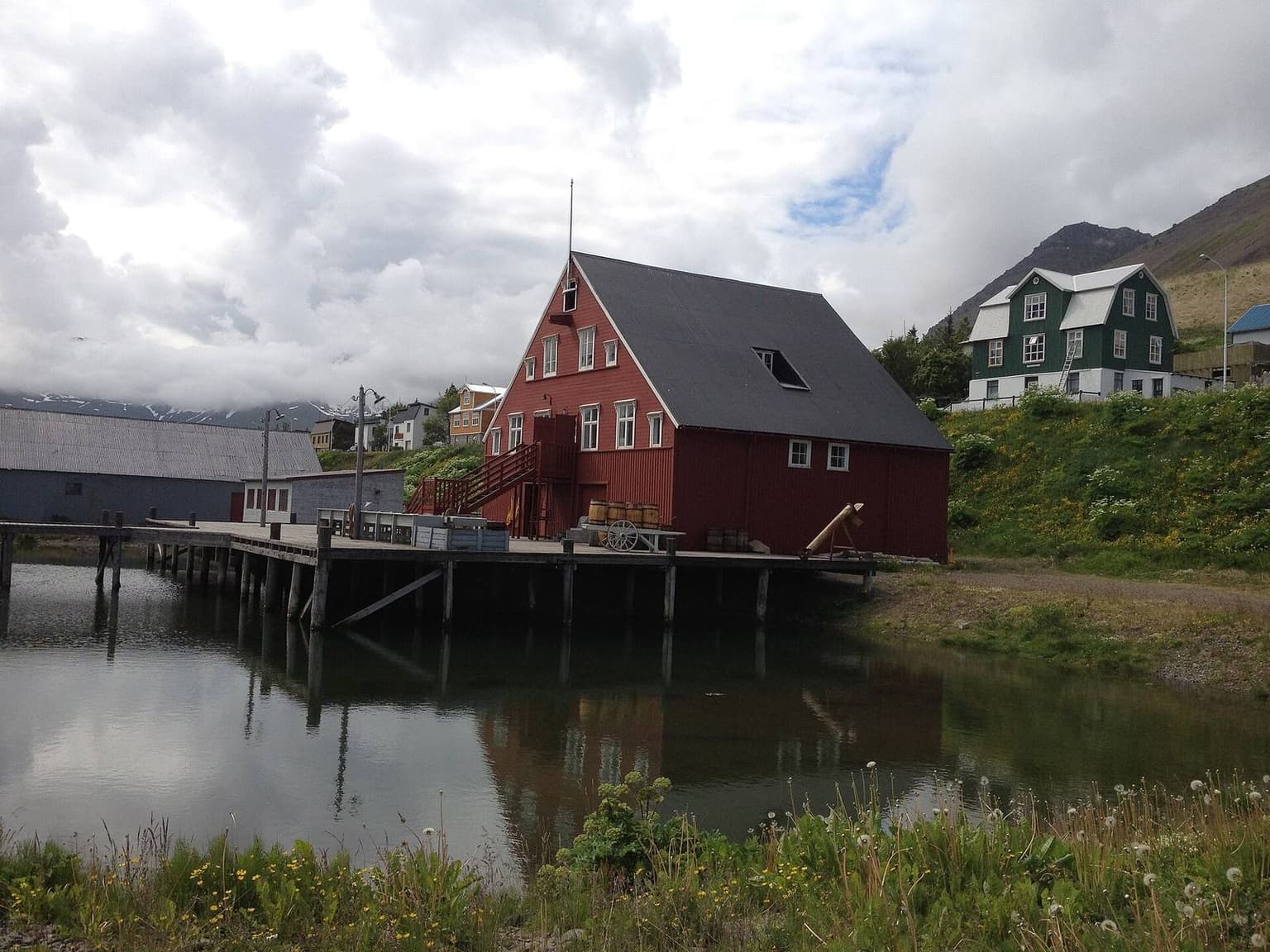
Árbær Open Air Museum is old Reykjavík reassembled on a former farm in the eastern suburbs: more than 20 buildings, most moved from the city centre, laid out as a town square, a village and a farm, each house holding a period home or a small exhibition. It suits a grey afternoon, families (under-18s go free), and anyone who wants to see how the city lived before concrete. It does not suit a morning in winter, because between September and May the gates open only at 13:00.
The figures, read today on the Reykjavík City Museum's Árbær page: from September to May the museum opens 13:00 to 17:00, from June to August 10:00 to 17:00, and a guided tour leaves daily at 13:00. Admission is 2,550 ISK for adults, free for children up to 17 and for disabled visitors, 1,550 ISK for students with an ISIC card, and free for ICOM and FÍSOS card holders. The museum's Reykjavík Culture Year Pass is 8,700 ISK. The tour page says the guide takes guests to all the main houses, in English, for just over an hour, and the main page says no advance booking is needed. The address is Kistuhylur 4, 110 Reykjavík.
What the houses hold, by the museum's own list: Suðurgata 7, a town home of about 1925; Hábær, a poor family's home around 1950; Landakot, built in 1897 as the first Catholic church in Iceland since the Reformation and later a sports hall; a toy and games exhibition; a history of Reykjavík house building from 1840 to 1940; a cart exhibition; and a small garage. The museum opened on the Árbær farm in 1957.
Advent is the museum's busiest season: the Christmas programme runs on Sundays 13 and 20 December from 13:00 to 16:00, with leaf-bread decorating, candle-making, skate cooking in Efstibær and Yule Lads at the windows, at the same 2,550 ISK admission.
The arithmetic
Árbær is 8.6 km and about 10 minutes' drive from the centre by OSRM on OpenStreetMap. Arrive 15 minutes before the 13:00 tour, take the hour-plus tour, add 20 minutes on your own in the toy exhibition or the farm, and drive back: 10 + 15 + 80 + 20 + 10 is about 125 minutes, roughly half of the four-hour winter opening. On the five-day South Coast and Golden Circle journey it suits the afternoon of day 1, after the drive from the airport. On the seven-day Ring Road, whose last day crosses the city on the way to the airport, it costs the same 125 minutes if the drive starts after lunch.
What goes wrong
Winter hours: arrive in the morning between September and May and the gates are shut. Light: the site is outdoors between houses, so a December afternoon visit runs into dusk before closing. Weather: paths between the buildings are gravel and grass, and in rain the visit becomes a sequence of short dashes. Christmas Sundays are crowded.
Alternatives on the same road
Viðey, the City Museum's island site, has Viðeyjarstofa from 1755; the Viðey ferry runs there on winter weekends. In the centre, the Hallgrímskirkja tower and a pool morning fill the hours before Árbær opens.
Questions people ask
Do I need to book the guided tour?
Is it worth going in winter?
Is it good for children?
Sources we checked
Something changed here? Tell us; we re-check against the source and print the new date.
museum · Iceland · Capital
The arithmetic
- Time needed
- 1.5–2.5 h
- Adds to a driving day
- 2 h 05 min, door to door
- Price
- Low cost — Adult 2,550 ISK; children 0–17 and disabled visitors free; students with an ISIC card 1,550 ISK; Reykjavík Culture Year Pass 8,700 ISK (borgarsogusafn.is, read 2026-11-01).
- Season
- All year: September–May 13:00–17:00, June–August 10:00–17:00; guided tour in English daily at 13:00
- Book ahead
- None: turn up at the entrance just before 13:00 for the tour
- Best time
- Arrive by 12:50 for the 13:00 tour, then stay on until closing
- From
- Reykjavík
- Checked
- 1 November 2026
What this page adds
A 125-minute cost from a central Reykjavík bed (8.6 km and 10 minutes' drive each way by OSRM on OpenStreetMap, the 13:00 tour of just over an hour plus 20 minutes on your own, a 15-minute arrival buffer), and the 240-minute winter window, 13:00 to 17:00, that every September–May visit has to fit inside.
Which day of which journey
The first ledger day that reaches Reykjavík, and what it costs that day: 2 h 05 min door to door.
- Iceland South Coast and Golden Circle in 5 days
Day 1 of 5: Keflavík airport → Reykjavík, night in Reykjavík
1,125 kmChecked 1 November 2026 - North Iceland and the Diamond Circle in 5 days
Day 1 of 5: Reykjavík (city airport) → Akureyri, night in Akureyri
357 kmChecked 1 November 2026 - Iceland Westfjords loop in 6 days
Day 6 of 6: Hólmavík → Reykjavík, the last day
1,020 kmChecked 1 November 2026 - Iceland Ring Road in 7 days
Day 7 of 7: Borgarnes → Keflavík airport, the last day
1,555 kmChecked 1 November 2026 - Iceland Ring Road in 10 days with Snæfellsnes
Day 9 of 10: Stykkishólmur → Reykjavík, night in Reykjavík
2,160 kmChecked 1 November 2026 - Iceland and the Faroe Islands by ferry, 12 days
Day 8 of 12: Akureyri → Reykjavík, night in Reykjavík
2,519 kmChecked 1 November 2026