What this page adds
Two seven-day ledgers from this site set on the same scale: kilometres, driving minutes, ferry minutes and computed daylight at a shared date, rather than adjectives.
Iceland or Norway for a first northern trip
Seven days and a hire car. The Ring Road against the western fjords: driving hours, ferries, weather, daylight, cost bands, crowds, and what each is best at.
By supjourney editorial team · published 1 November 2026 · ledger checked 1 November 2026 · 4 min read
The options, on one scale
| Option | Days | Driving | Cost band | Best months | Verdict |
|---|---|---|---|---|---|
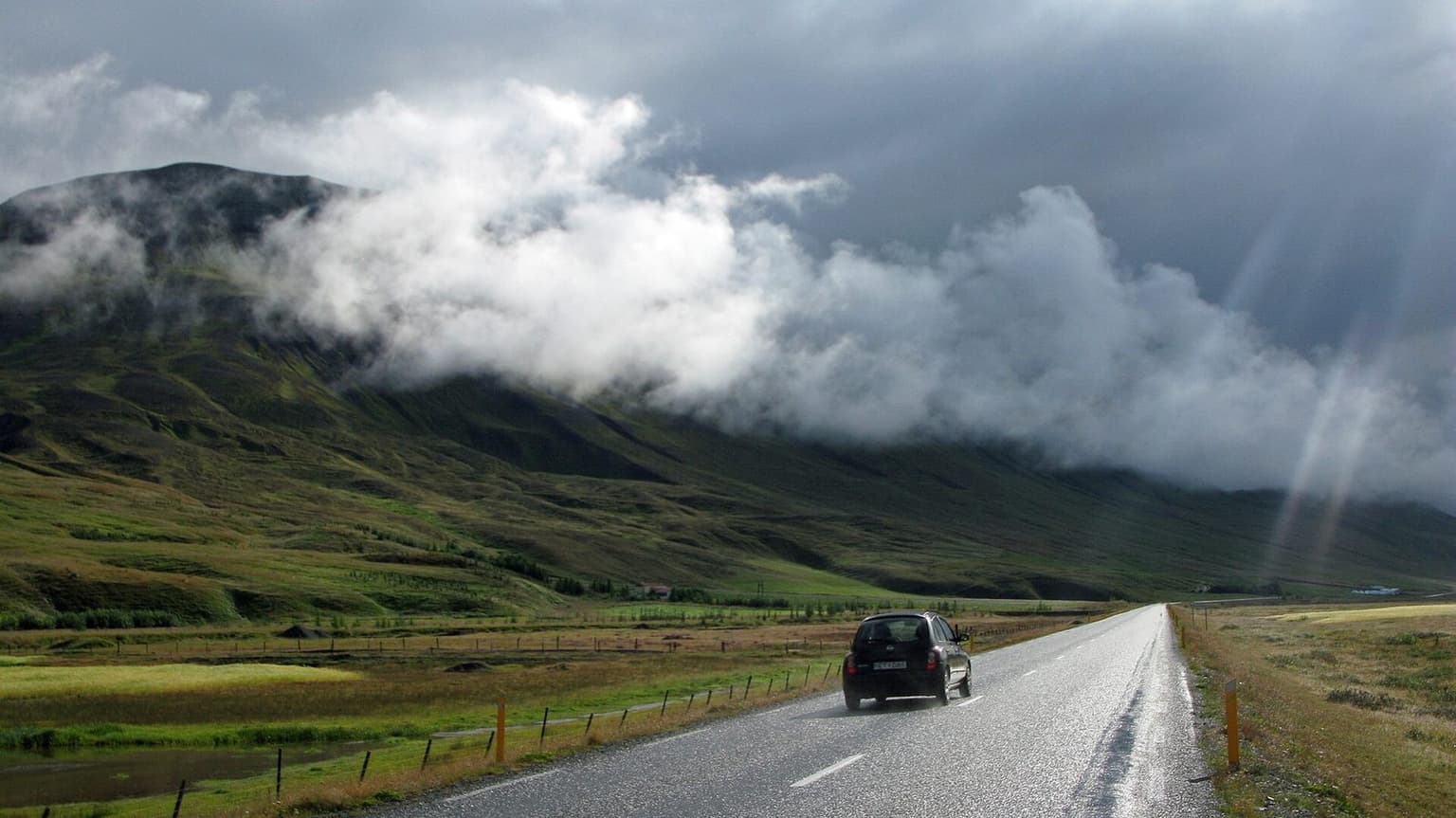
| Iceland, Ring Road · Iceland | 7 | 24 h | mid | June–September | The bigger landscape and the longer days behind the wheel; choose it for emptiness, geology and one road that explains the whole country. |
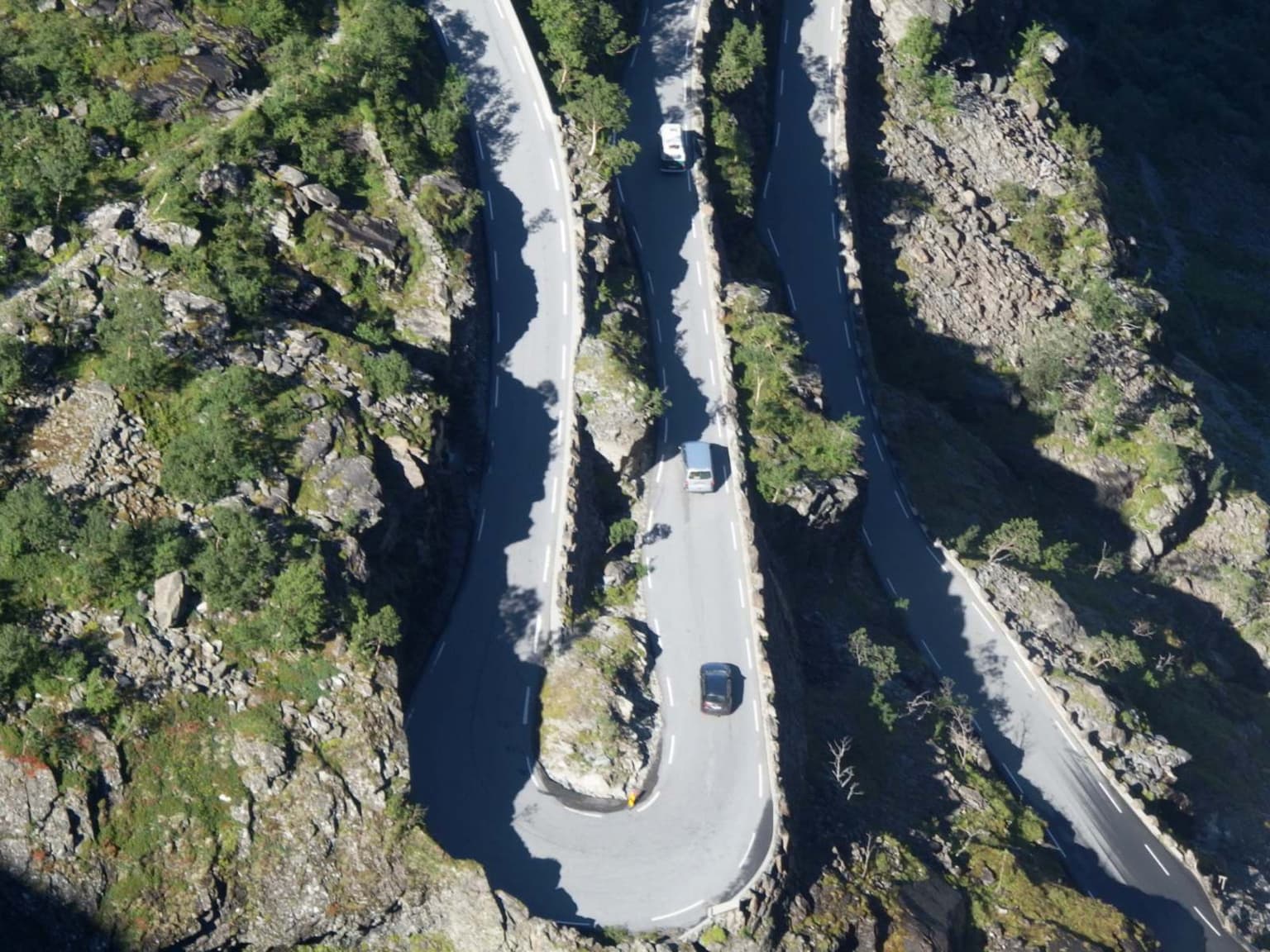
| Norway, western fjords (Bergen–Ålesund) · Norway | 7 | 19 h | upper | Late May–September | Shorter days, greener, steeper, dearer, with a town every night; choose it for mountains in the sea and a trip that does not depend on the weather holding. |
| Iceland, south and west only · Iceland | 7 | 14 h | mid | All year | The compromise: half the kilometres, the famous sights, and the only one of the three that works in January. |
Criteria: driving hours · ferries and tunnels · weather · daylight · cost bands · crowds · what it is best at · winter
The answer first. For a first northern week in summer with a hire car, choose Iceland if the point of the trip is landscape at a scale you have not seen and you are happy to drive three to five hours a day for it. Choose Norway's western fjords if you want the mountains to be steeper, the days shorter, the evenings in a town, and the weather to matter less. If the week is in winter, neither of those: Iceland's south and west is the only one of the three that is sane in January.
Everything below comes from the two seven-day ledgers on this site, the Ring Road week and the Bergen–Ålesund week, placed on the same scale.
The decision table
| Iceland, Ring Road | Norway, fjords | Iceland, south and west | |
|---|---|---|---|
| Days | 7 | 7 | 7 |
| Road | 1,460 km | 1,016 km | about 850 km |
| Driving, normal conditions | about 24 h | about 17.5 h | about 14 h |
| Ferries | none | 4, about 1.5 h in total | none |
| Longest day | 387 km (Akureyri–Reykjavík) | 280 km (Flåm–Geiranger) | 260 km (Vík–Höfn) |
| Daylight, 20 June, computed | about 21 h at Reykjavík | about 19 h at Ålesund | about 21 h |
| Daylight, 15 January, computed | about 5 h | about 6 h | about 5 h |
| Accommodation band | mid | upper | mid |
| Food band | mid | upper | mid |
| Fees on the road | 2 tolled tunnels, parking at sites | tolls most days, ferry fares | 1 tolled section, parking at sites |
| Best months | June–September | late May–September | all year |
| Winter | no | no | yes |
Driving hours
The Ring Road week is 24 hours behind the wheel, which is three and a half hours a day with one 387 km day that cannot be split. The fjord week is 17 and a half hours of driving plus an hour and a half on ferries, spread so that no day is longer than five hours. The difference is not the kilometres, it is their character: Iceland's are fast and empty, Norway's are slow and full of tunnels and bends. A party that enjoys driving will prefer Iceland's; a party that tolerates it will prefer Norway's.
Ferries and tunnels
Iceland's route has no ferries and two tolled tunnels, Vaðlaheiði near Akureyri and the new Hornafjörður section, both paid by number plate. Norway's has four ferries of 12 to 33 minutes, every one a working road link with a fare, and AutoPASS tolls on most of the E16, E39 and the Atlantic Ocean Tunnel. The ferries are part of what makes Norway restful: fifteen minutes of not driving, several times a day.
Weather
Both are Atlantic. Iceland's is the more violent and the more consequential: the south coast's wind takes doors off hire cars, and safetravel.is warnings close roads to high-sided vehicles. Norway's fjords have rain, more of it at Bergen than anywhere else in Europe, but the road network is sheltered and the trip survives a wet week. The honest statement is that an Icelandic week can be ruined by weather and a Norwegian one only dampened.
Daylight
Computed with the NOAA formula for the two sleep towns: on 20 June Reykjavík has about 21 hours of daylight and Ålesund about 19; on 15 January Reykjavík has about five and Ålesund about six. In summer the difference is not worth weighing. In winter it is the fjord roads, not the light, that decide: the Geiranger road, Trollstigen and Stegastein are closed, so the Norwegian route is not available at any daylight.
Cost bands
Both mid-to-upper, with Norway a band above on hotels and restaurants and with daily tolls and ferry fares that Iceland does not have. Iceland's extra cost is fuel for 450 more kilometres and the hire car's higher insurance excess for gravel and wind. Neither country rewards the budget traveller in a car; the one that rewards it least is Norway.
Crowds
Iceland's south coast and Golden Circle are crowded from May to September at the named stops and empty five minutes from them; the north and east are quiet all year. Norway's crowds are at Flåm and Geiranger on cruise days, when the villages fill from ten to four and empty by six. Both routes let you avoid the worst by sleeping at the sight and seeing it before breakfast.
What each is best at
Iceland is best at geology and emptiness: volcanoes, glaciers that meet the road, waterfalls at the roadside, lava fields, black sand, a lake of icebergs, and hours of road with nobody on it. Norway is best at verticality and habitation: mountains dropping into deep water, farms on ledges, villages at the head of fjords, and a working landscape that is beautiful without being arranged for you. Iceland is a week about the earth; Norway is a week about living on it.
The compromise
Iceland's south and west, seven days from Keflavík to Jökulsárlón and back with the Golden Circle and Snæfellsnes, is 850 km and 14 hours of driving, mid band, open all year. It has the famous sights and none of the long days. For a first trip in any month, it is the plan most parties should start from and argue themselves out of.